
Conservation success stories

the American bison
The American Bison almost went extinct in the early 1900s! However, conservationists, politicians (including President Theodore Roosevelt) and Native American tribes came together to save them from extinction.
They created headstart programs in zoos across the US, and released them onto public lands and reserves. There are now up to 50,000 wild bison, and many more in captivity. You can even stop by our very own Golden Gate Park to get an in-person encounter with these majestic Ungulates.
Bison were also returned to tribal lands, as many tribes have a deep cultural and spiritual connection with them. The effort to save bison was the first national bipartisan agreement to save wildlife in the United States, and continues to be a valuable example of successful conservation efforts today.
Gray wolf
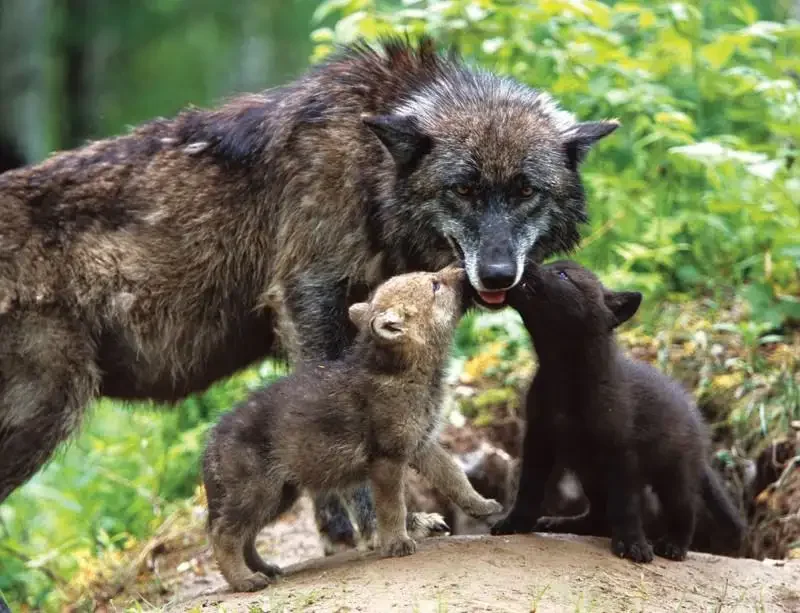
Wolves play a critical role in their ecosystem as an apex predator. However, in the early 1900s the US government wanted wolves gone because of their perceived threat to livestock and wild animals such as elk, deer and mountain sheep. In fact, wolves help keep these animals’ populations at healthy numbers.
In the mid 1900s, wolves had been completely eradicated from Yellowstone National Park. This led to a drastic habitat loss caused by overgrazing of elk populations which had exploded due to the loss of their natural predators. It was found in studies that not only do the wolves keep populations healthy by picking off the sick and old, the mere presence of these predators actually shapes the feeding behaviors of the elk.
In the 1990s, wolves were reintroduced into Yellowstone, and the overall health of the ecosystem has improved drastically. Despite differing opinions about the wolves, their numbers have risen enough in the Yellowstone area for them to be removed from the Endangered Species list in three states. There are now over 500 wolves in Yellowstone and the surrounding areas.
przewalski’s horse
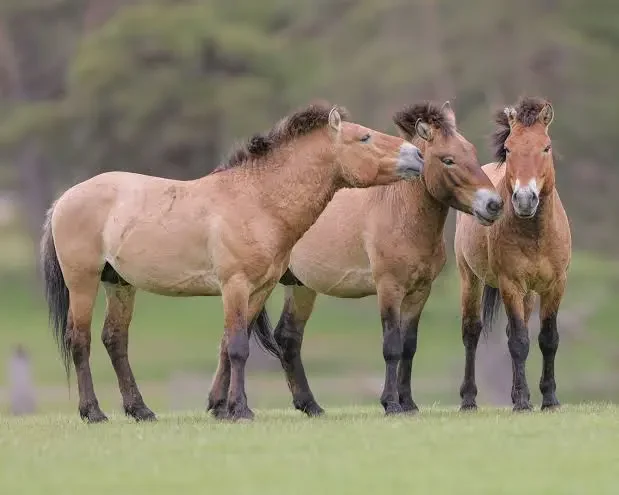
These horses are native to Mongolia and are the last remaining truly wild horses, having never been domesticated. They went extinct in the wild in the 1960s. Zoos across the US brought these horses together to breed them, and the first horses were released into national reserves in Mongolia in the 90s. The Przewalski’s horses are still endangered today but are no longer classified as critically endangered.

If you are interested in getting involved with conservation in action today, check out our partner organization Endangered Species International